What to inspect before you buy
- Identify exactly what you have
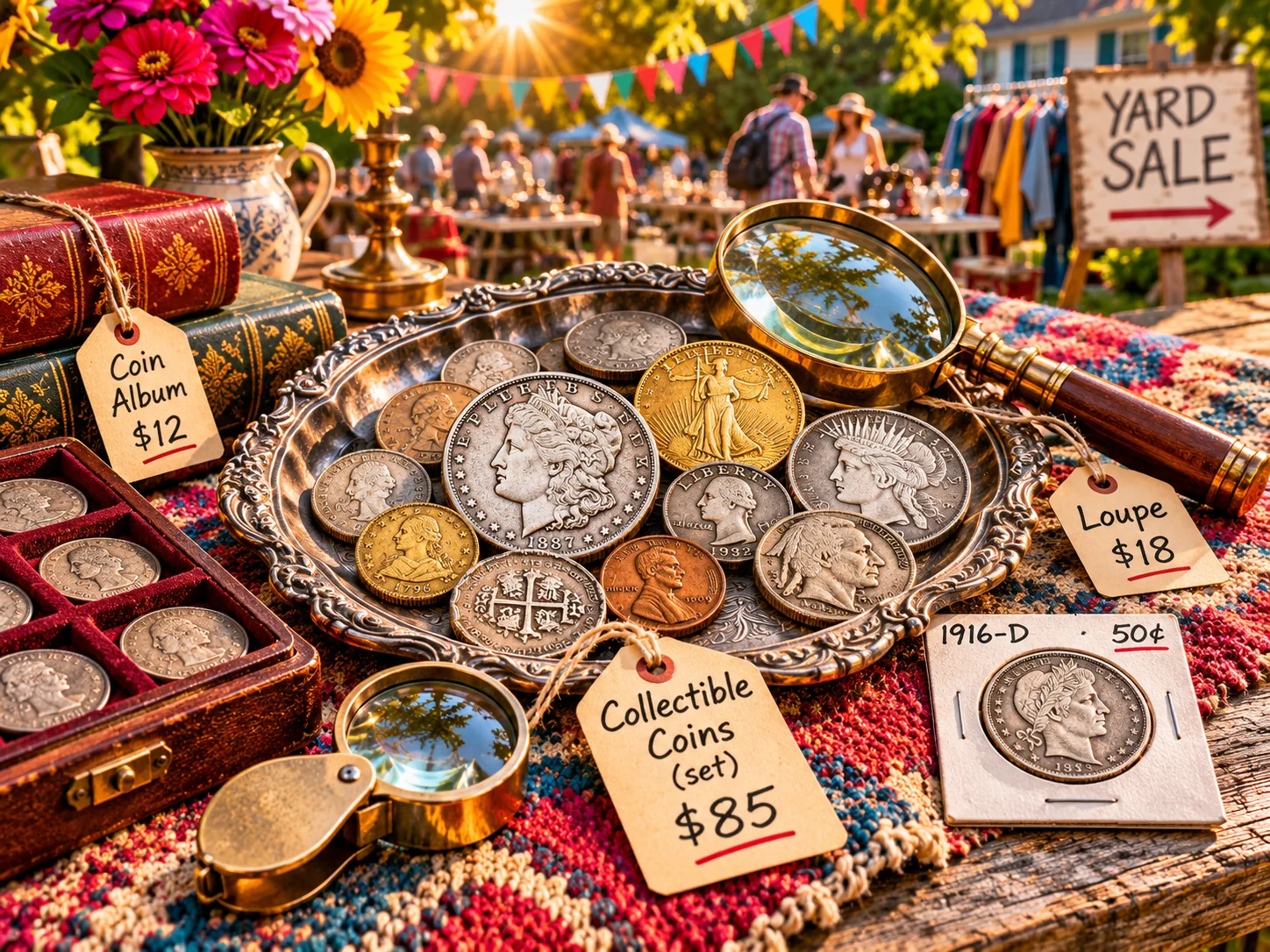
Record country, denomination, date, mintmark, weight and size; distinguish an official variety from accidental post-mint damage.
- Avoid cleaning
Abrasive polishing can permanently damage collectible surfaces. Photograph each face in diffuse light instead.
- Research grading carefully
Condition is not simply how shiny a coin is. Look for wear at the high points and distinguish mint luster from cleaning or damage.
- Use cautious comparisons
Compare certified grades only with genuinely comparable grades and authentication status. Treat raw coin listings with skepticism.
Common deal-killers
These are not automatic reasons to walk away, but they should change your offer, cost allowance or confidence in the final sale.
- Counterfeits and altered dates
- Cleaning or polishing damage
- Misread mintmarks
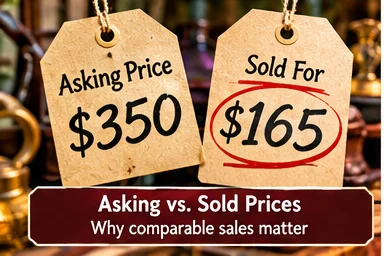
- Confusing asking prices with sales
How to research a sale price
Write down exact identifying details and condition. Compare recent, closely matching completed transactions where accessible, noting whether accessories and shipping are included. Active listings show asking prices, not realized proceeds. Enter a conservative estimate in the calculator; don't treat a single exceptional sale as the normal outcome.
Browse current marketplace listings
These are active searches for discovery, not verified sold-price data. Check seller descriptions, photos and return terms independently.
Search coins & currency on eBay ↗Marketplace search is currently a plain external link. Affiliate tracking is not configured.
When to bring it home
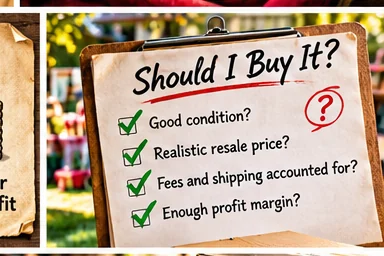
Buy when the identification is strong, the condition has been checked, the price has room for repairs and selling costs, and comparable demand is credible. Pass or reduce your offer when multiple unknowns could erase the margin. A great object can still be a bad financial flip.