A smart reseller tries to remove uncertainty before spending money. The point isn't to predict a perfect sale price; it's to build a decision you can explain to yourself even if the item doesn't sell as hoped.
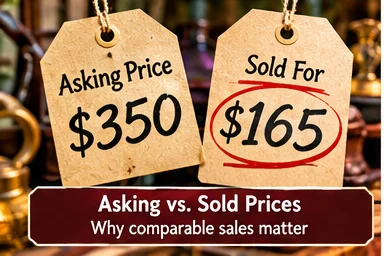
A price tag is an offer, not a transaction
Anyone can ask almost anything for a secondhand item. Listings that sit unsold may be overpriced, missing crucial details or aimed at a very small buyer pool. Sold records are better evidence because they reflect transactions, although even completed-sale data may not show the entire economic picture, including returns and shipping concessions.
Match the actual item, not the broad category
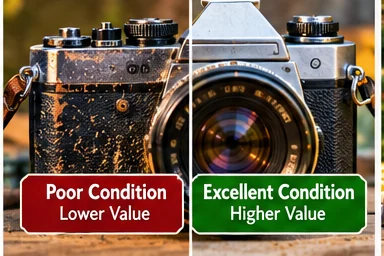
Compare the exact model or edition, working condition, accessories, cosmetic condition and bundle. An untested camera body should not borrow the sold price of a fully serviced kit. A book without its original dust jacket should not use the most pristine collectible copy as its baseline.
Build a range instead of an invented single number
Look for multiple recent, truly comparable transactions. Ignore obvious mismatches, keep notes on outliers and consider a conservative range. When records are sparse, say so explicitly rather than treating one remarkable sale as typical.
Subtract the seller’s real expenses
A strong sale price can still be a bad flip. Subtract marketplace and processing fees, seller-paid shipping, packing materials, restoration, returns allowance and acquisition cost. Then compare the remaining profit with the time and risk involved.
A practical five-minute research routine
Write down the model and condition. Search completed or sold marketplaces using precise identifiers. Save three to five best-match examples where possible, note when they sold, then open the calculator with a conservative sale assumption. If you cannot find reliable comps, classify the estimate as low confidence.